The Mathematics Compendium

Project Gallery
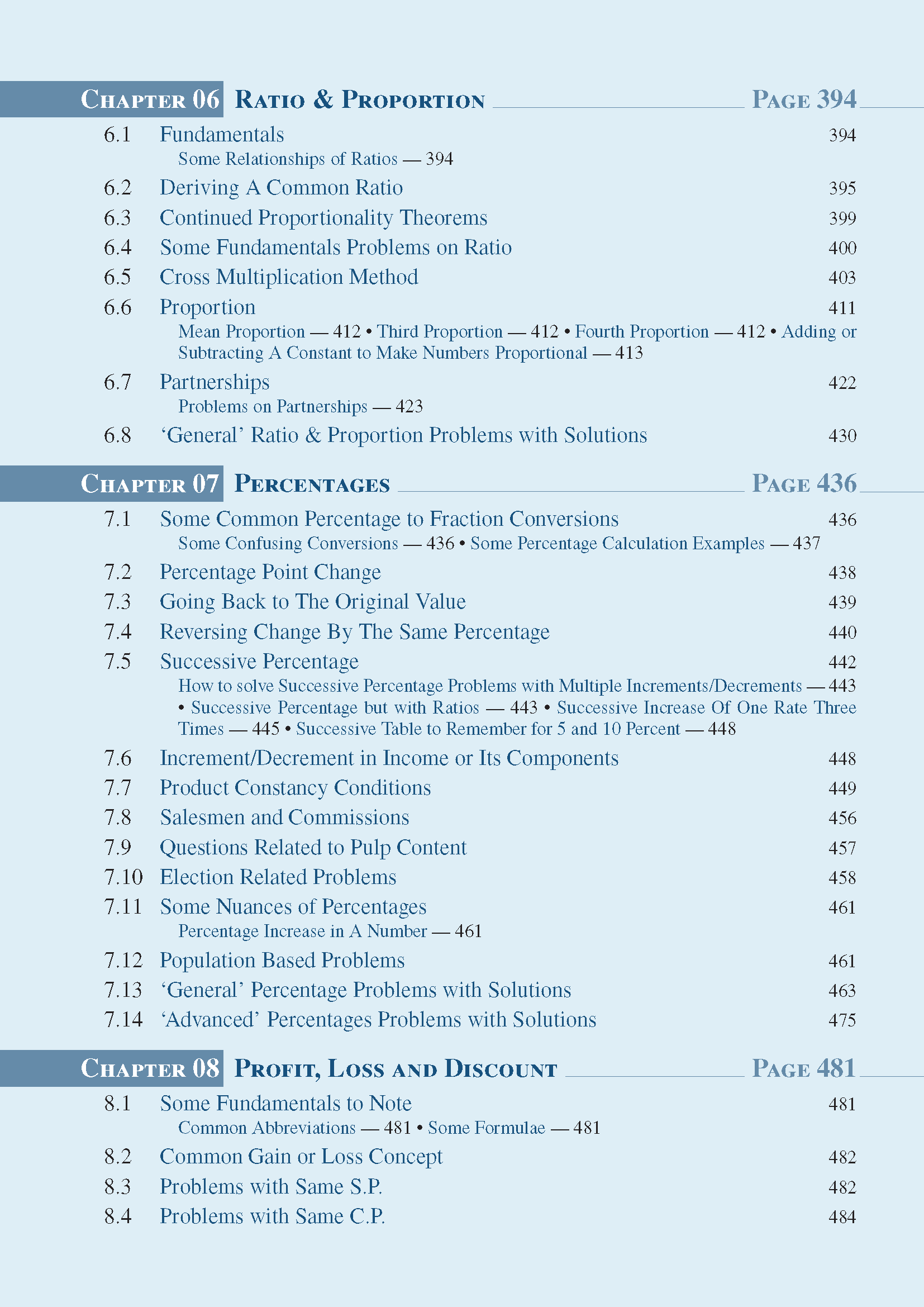
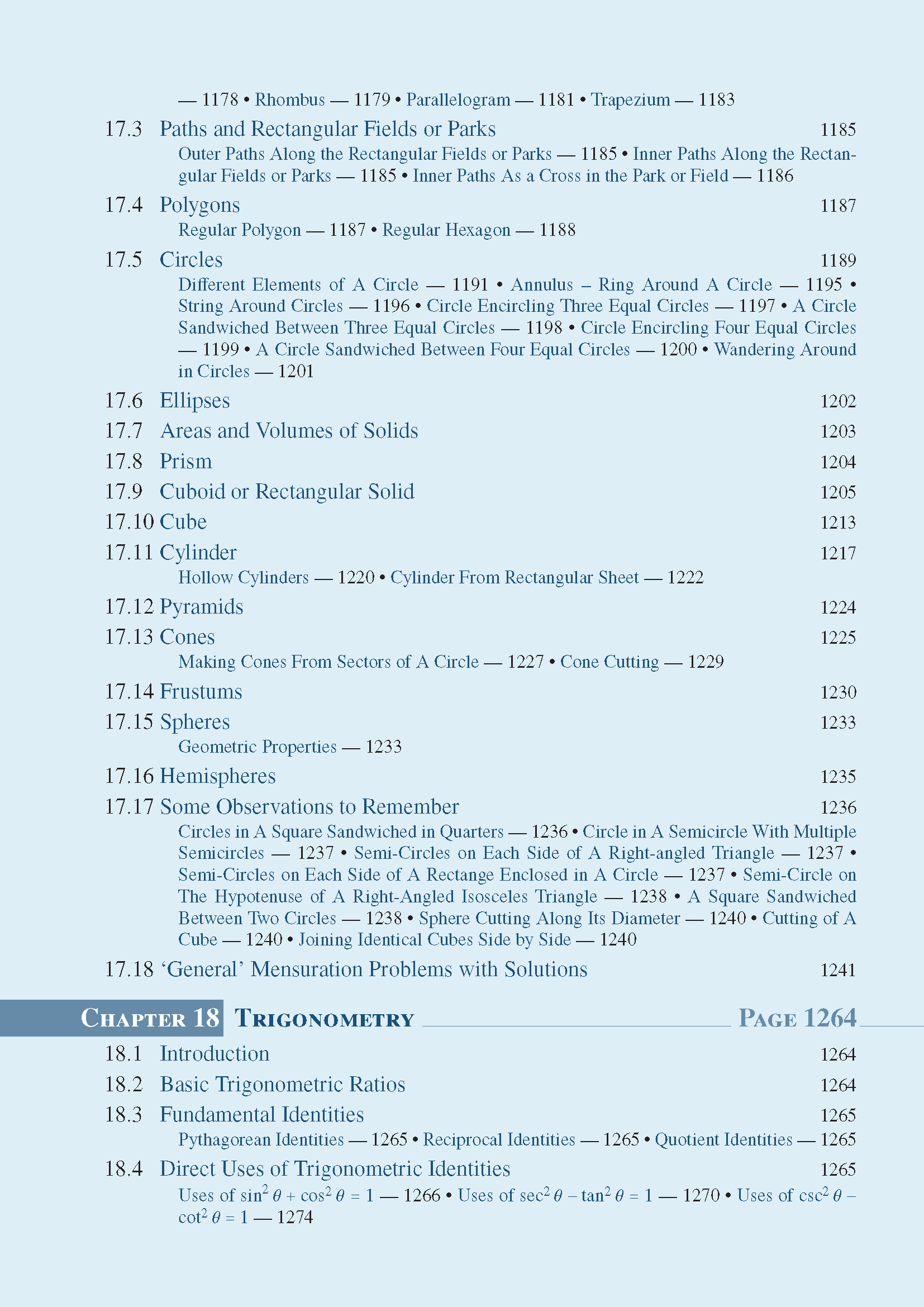
.png)
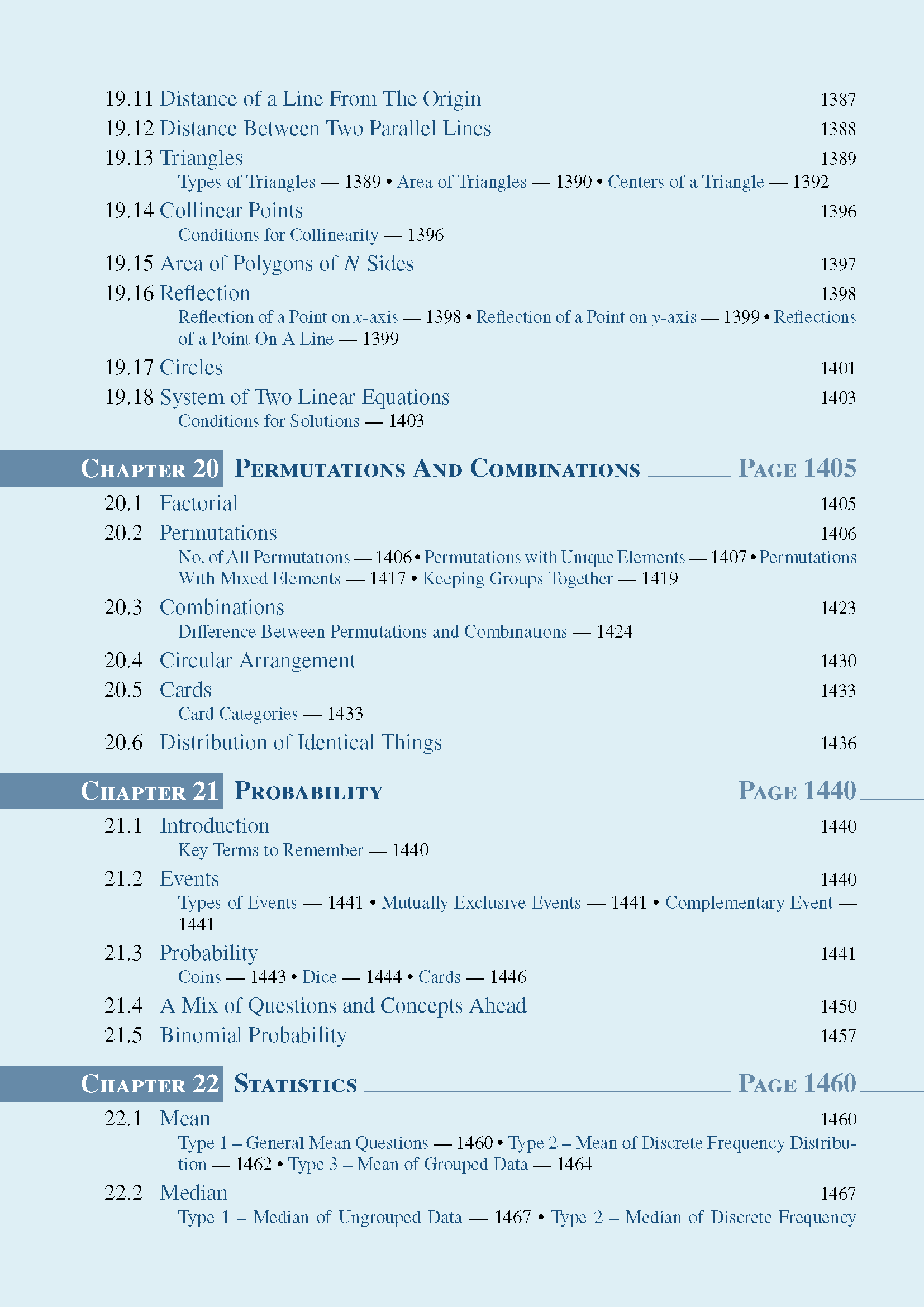
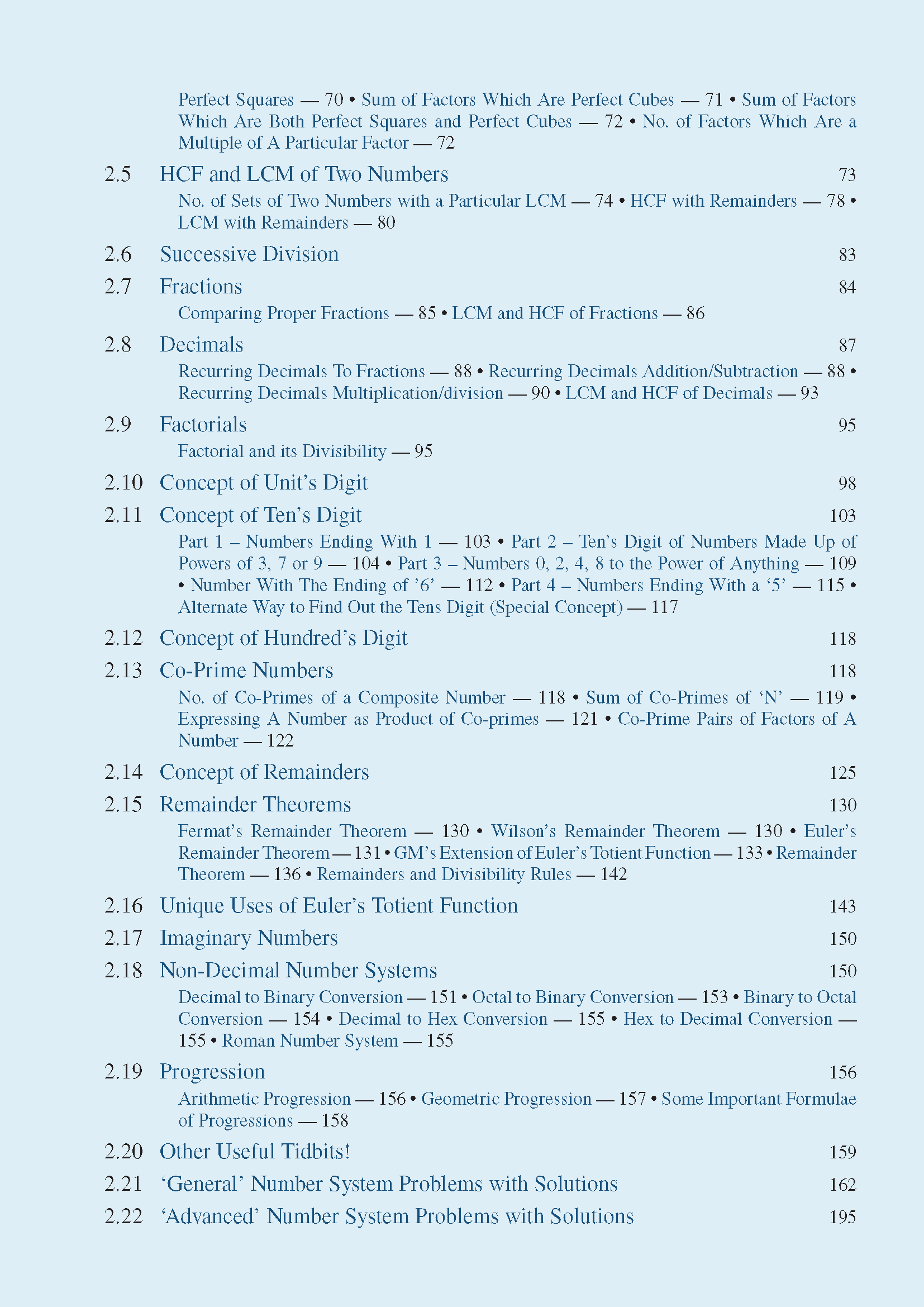
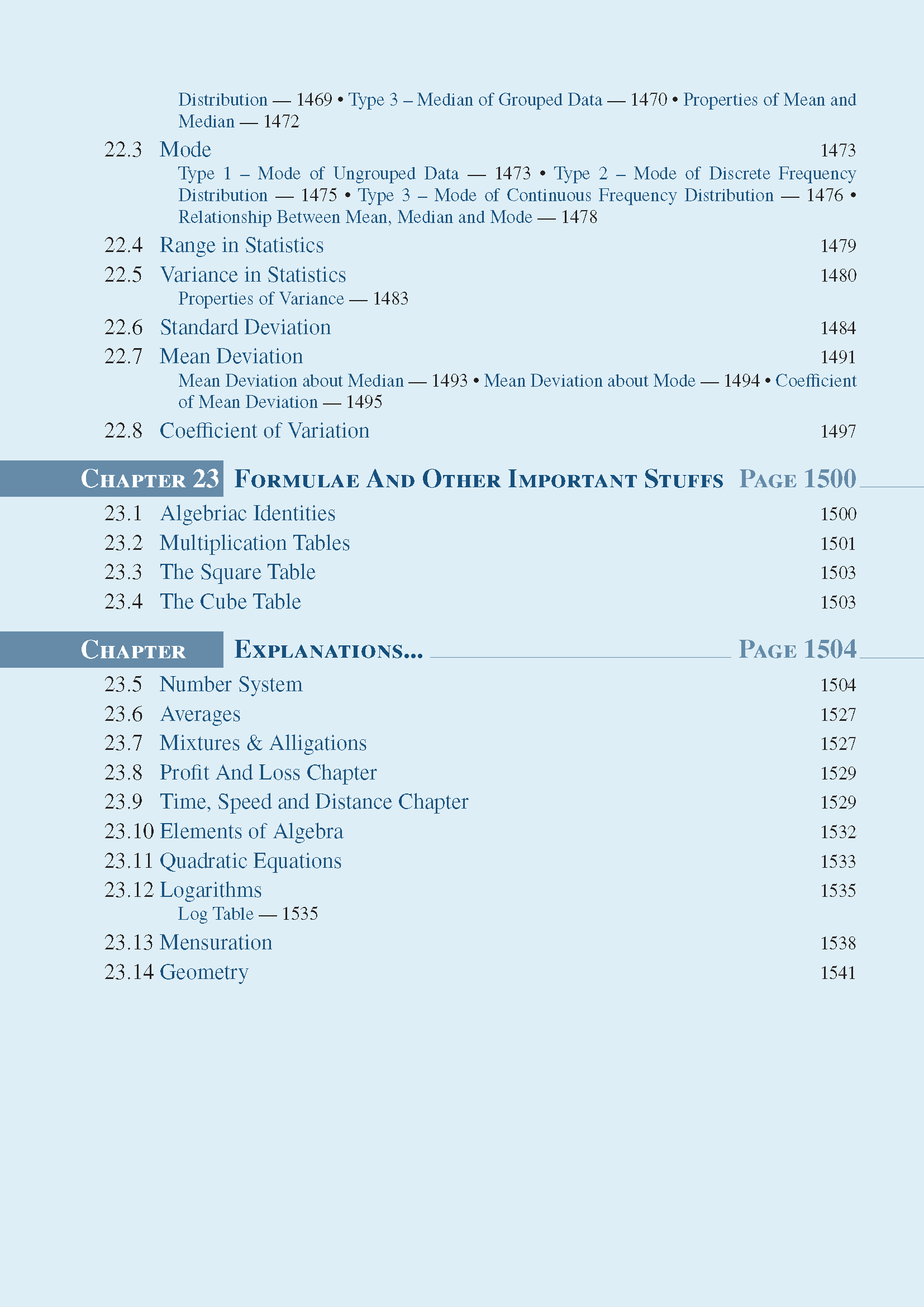

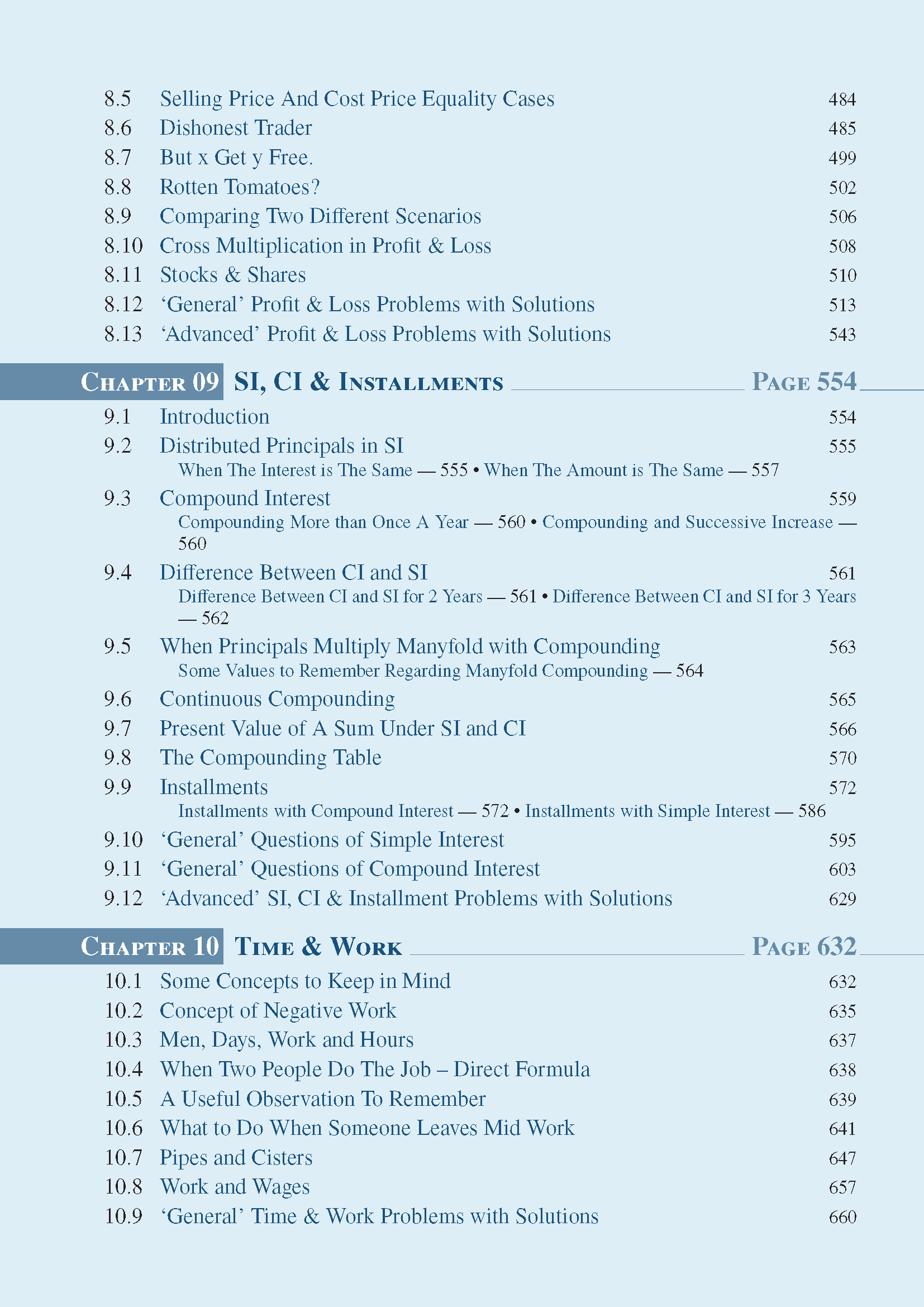
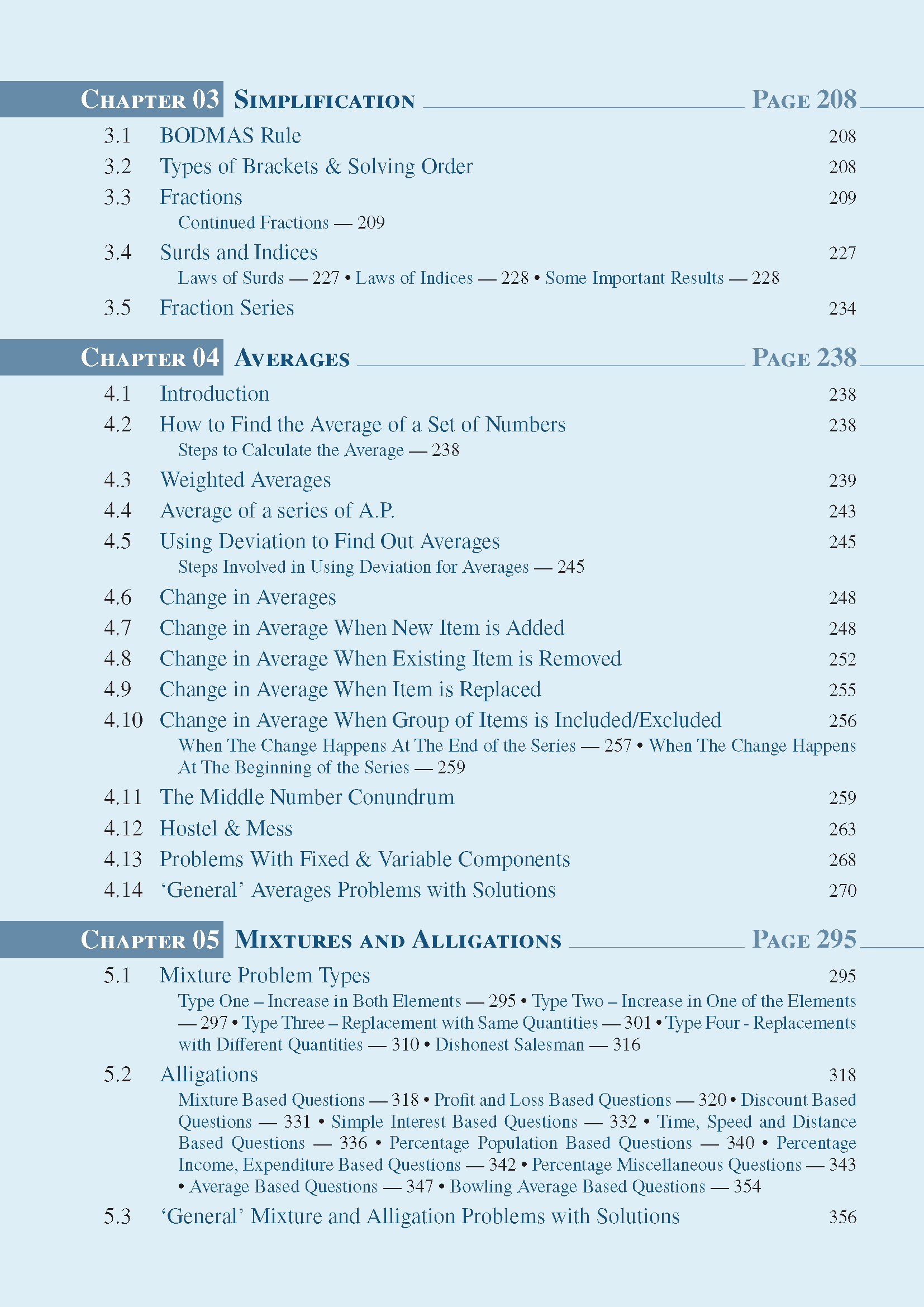
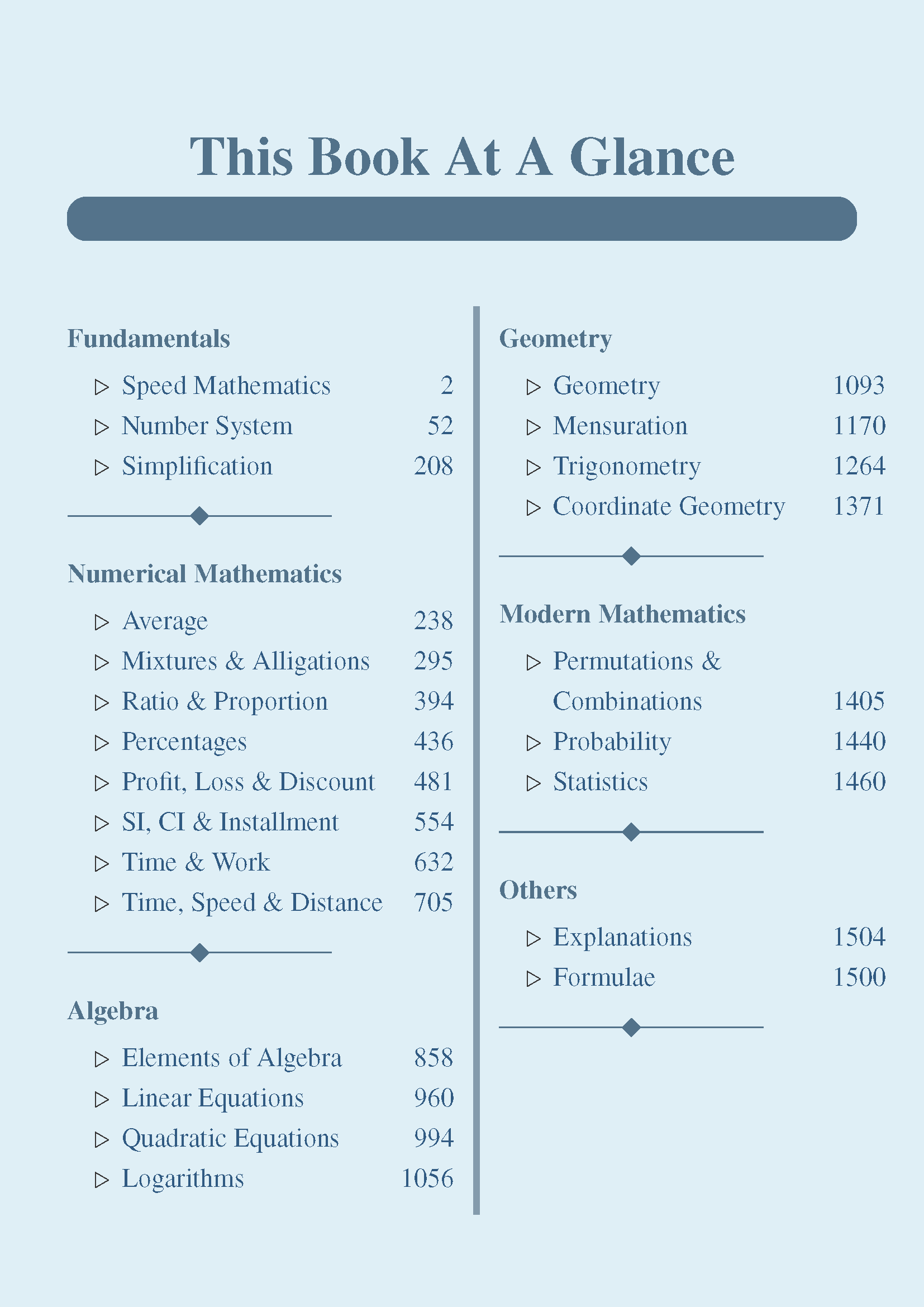
Click any image to expand and browse
The Mathematics Compendium
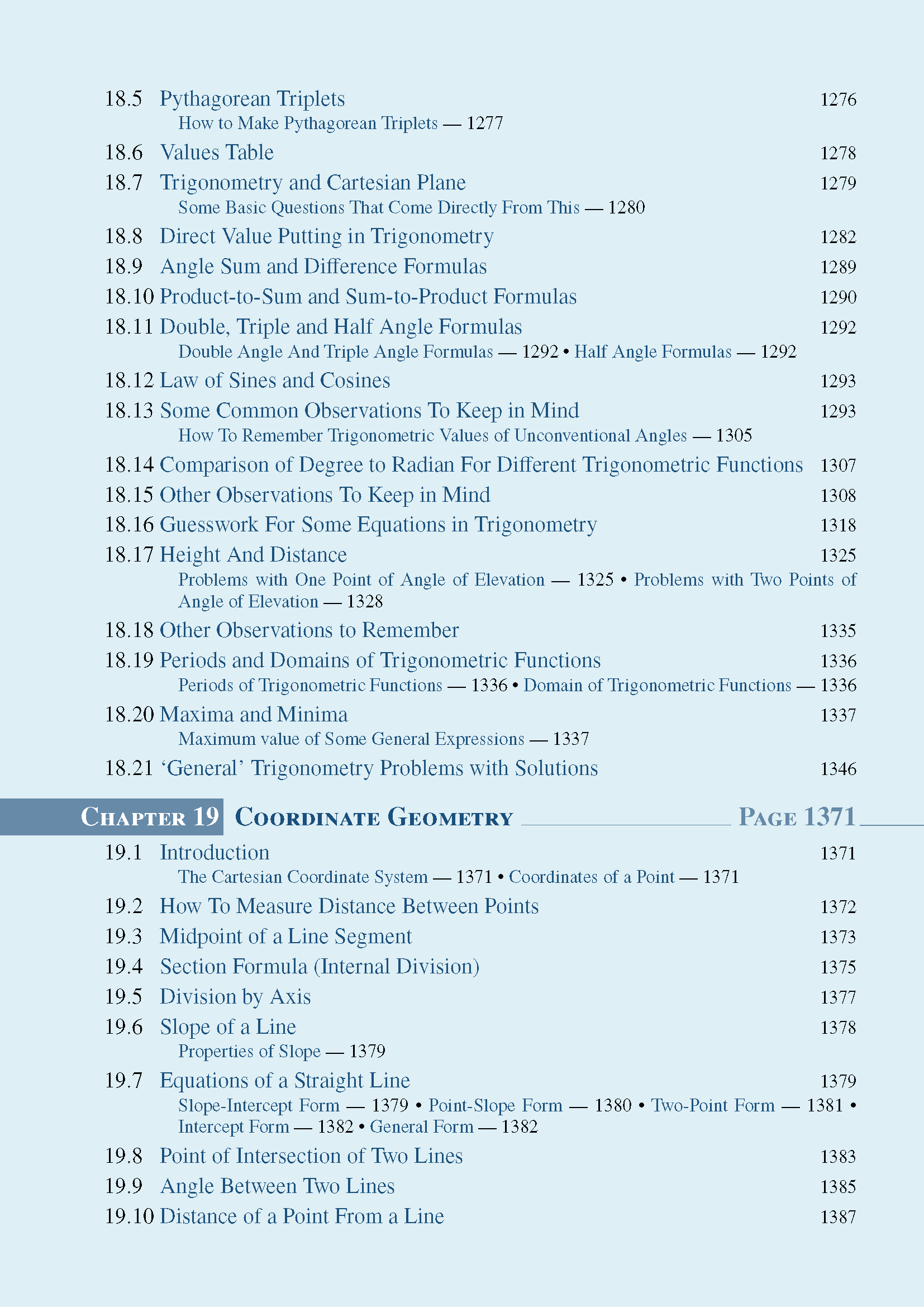
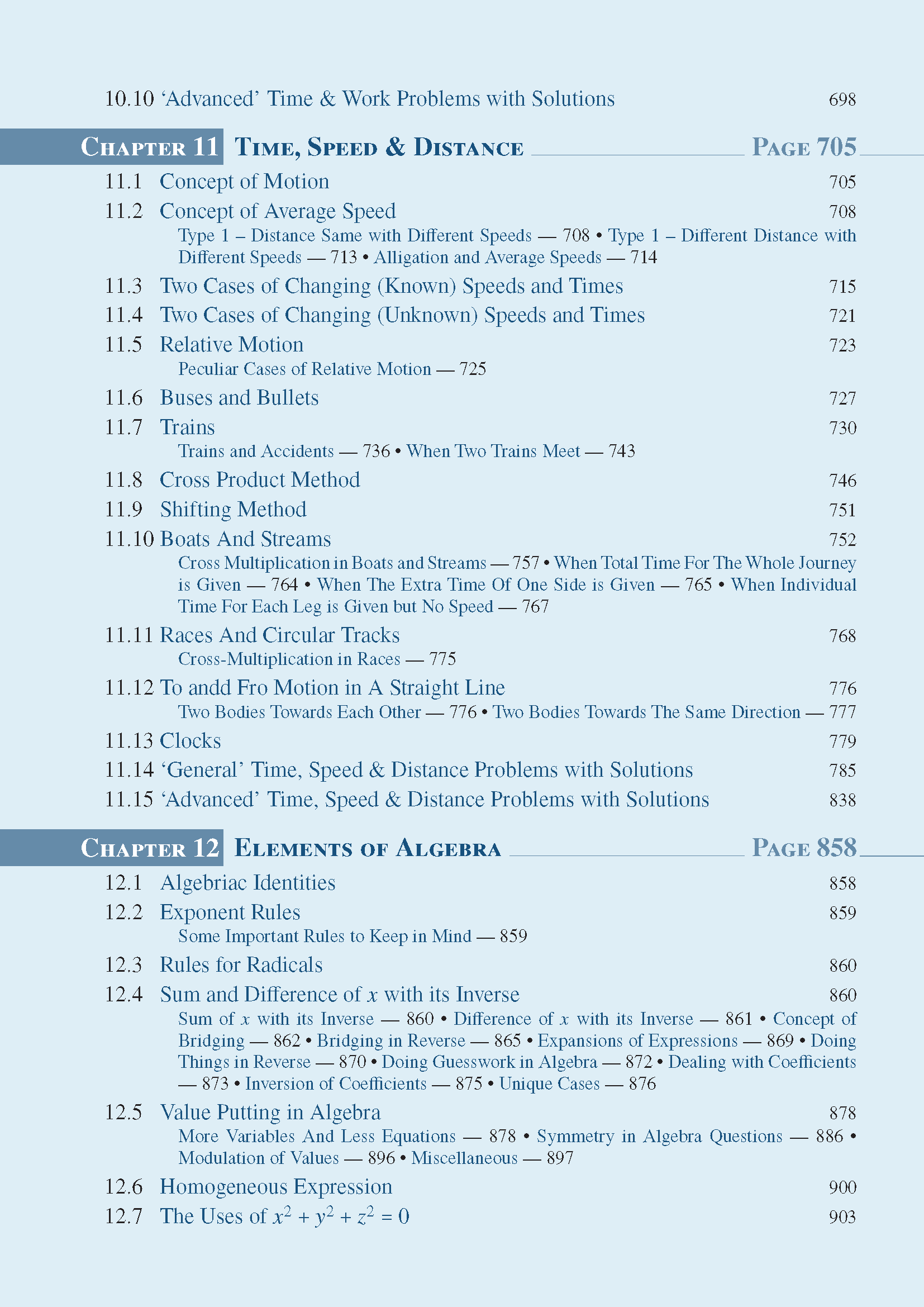
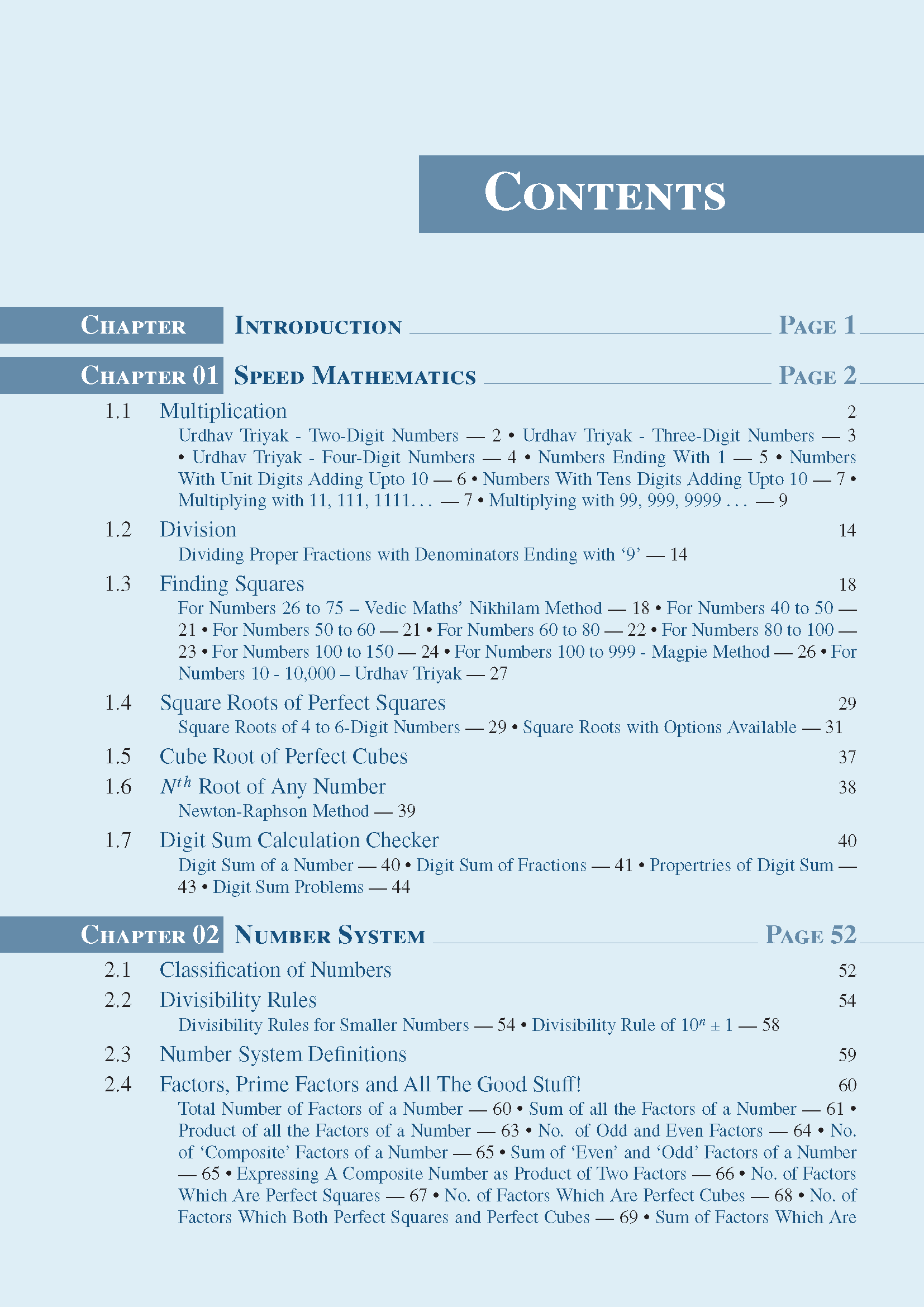
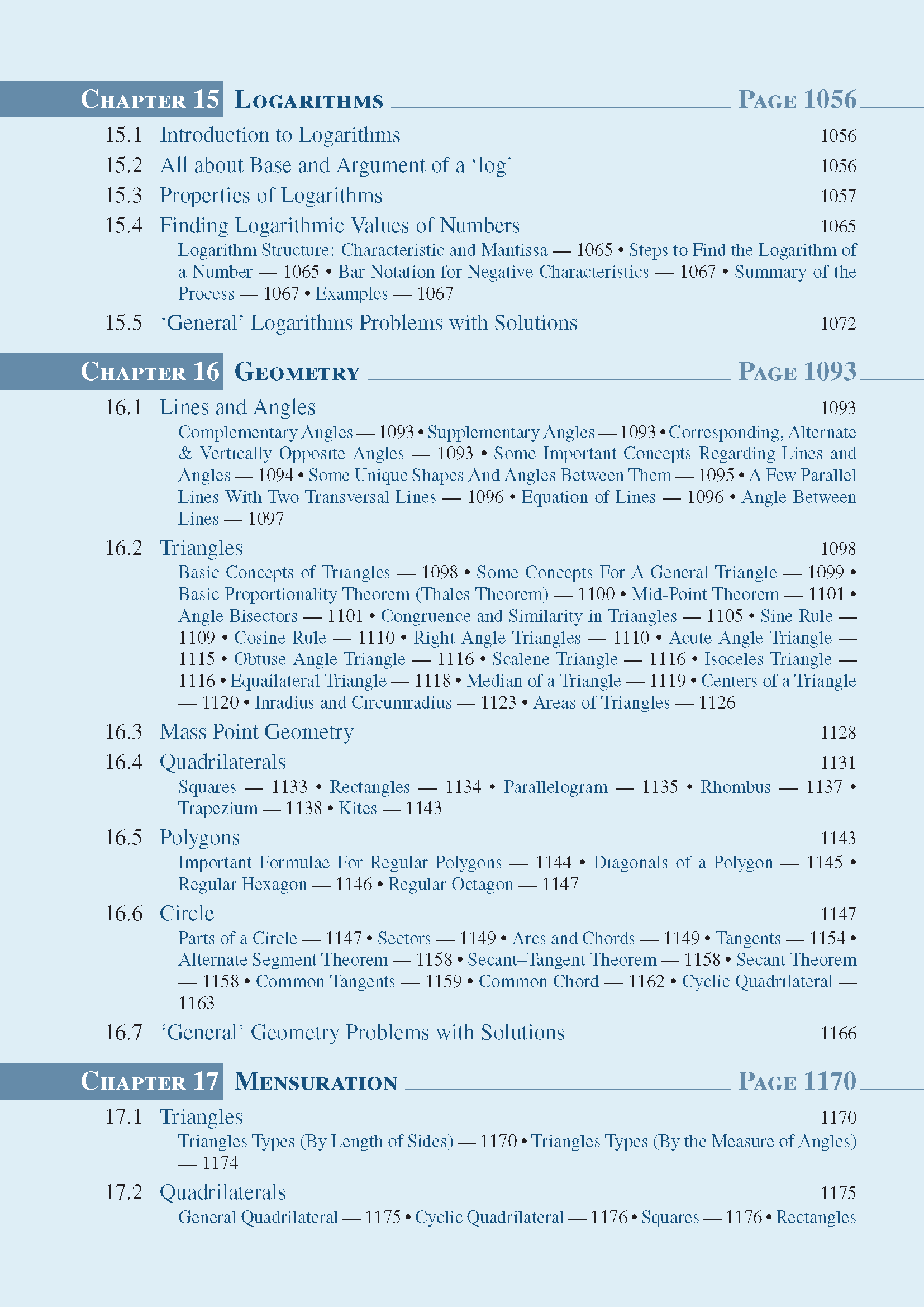
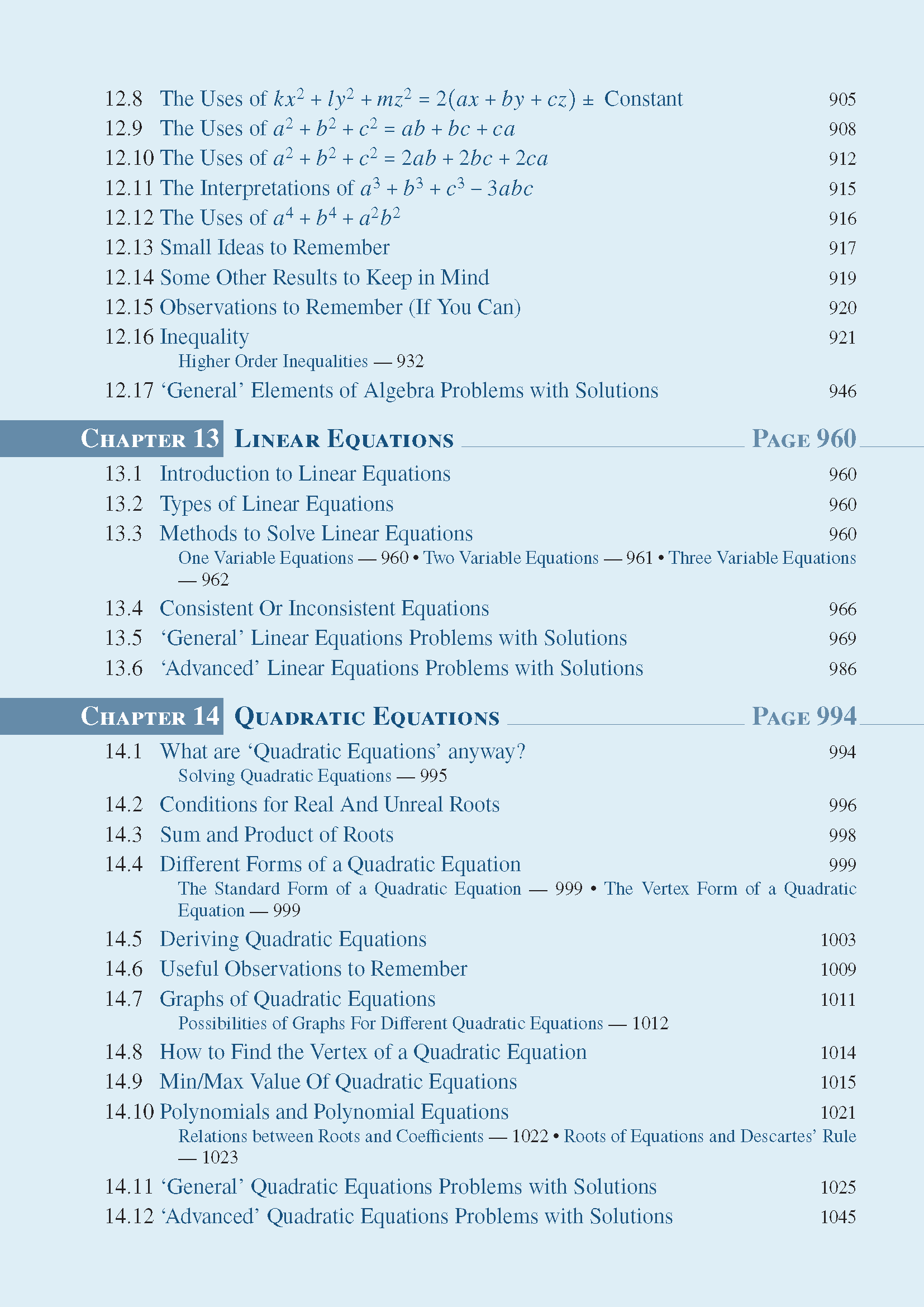
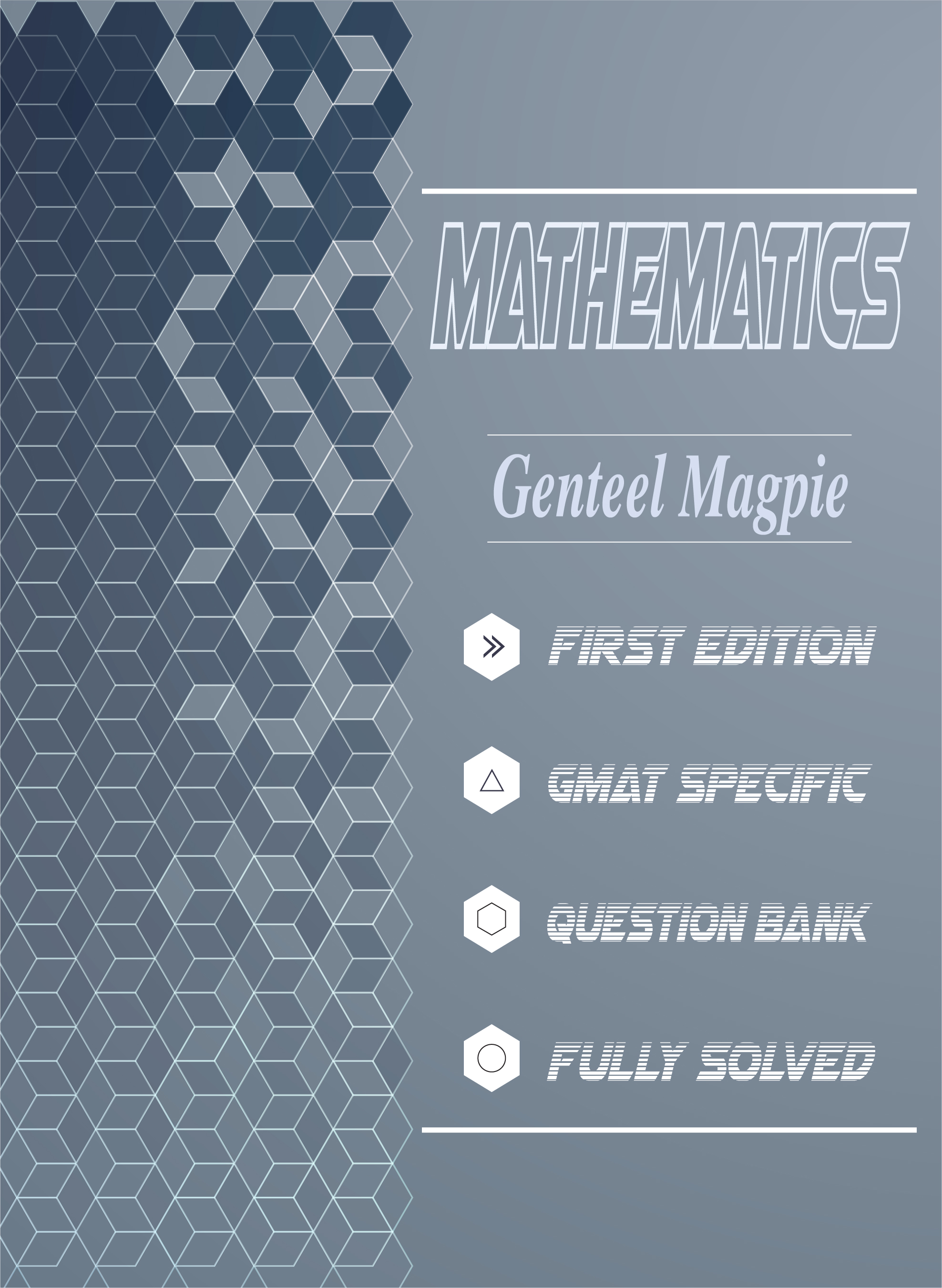
A comprehensive mathematics textbook and reference manual developed using LaTeX, designed to provide a complete learning resource covering arithmetic, algebra, geometry, mensuration, trigonometry, coordinate geometry, probability, statistics, and quantitative reasoning.
Spanning more than 1,500 pages, the project combines theory, mathematical observations, worked examples, problem-solving techniques, visual diagrams, and extensive solved question banks into a single structured resource. Every chapter was written and organized from the ground up, with significant emphasis placed on clarity of explanation, logical progression of concepts, and practical problem-solving methods.
In addition to being a mathematics textbook, the project also served as a large-scale technical publishing effort involving advanced LaTeX development, custom document architecture, diagram creation, layout design, and long-form content management.
Project Overview
The Mathematics Compendium was created to consolidate a wide range of mathematical concepts and problem-solving techniques into a single reference work. Rather than functioning solely as a collection of formulas or practice questions, the book was designed to guide readers from fundamental concepts to advanced applications through carefully structured explanations and fully solved examples.
The project covers more than twenty major mathematical disciplines, including Number Systems, Averages, Ratio & Proportion, Percentages, Profit & Loss, Time & Work, Time, Speed & Distance, Algebra, Geometry, Mensuration, Trigonometry, Coordinate Geometry, Permutations & Combinations, Probability, and Statistics. Each topic includes conceptual discussions, observations, shortcuts, and detailed worked solutions. :contentReference[oaicite:1]{index=1}
Developing the book required not only mathematical content creation but also the design of a complete publishing workflow capable of managing thousands of pages of structured educational material.
Key Features
Comprehensive Mathematical Coverage
- More than 1,500 pages of content.
- Coverage of over twenty major mathematical disciplines.
- Structured progression from fundamentals to advanced applications.
- Extensive theory sections and conceptual explanations.
- Dedicated formula and reference sections.
- Topic-wise organization for efficient learning and revision.
Worked Examples & Solved Problems
- Large collection of fully solved questions.
- Step-by-step solution methodologies.
- General and advanced problem sets across multiple chapters.
- Focus on problem-solving strategies rather than formula memorization.
- Extensive coverage of quantitative aptitude and reasoning concepts.
Educational Content Design
- Chapter-wise concept building.
- Mathematical observations and shortcuts.
- Practical problem-solving approaches.
- Conceptual explanations accompanying worked examples.
- Structured learning flow designed for self-study and revision.
Technical Publishing Infrastructure
- Developed entirely using LaTeX.
- Custom document architecture.
- Custom page layouts and styling systems.
- Reusable content environments.
- Automated formatting workflows.
- Large-scale document organization and maintenance.
Mathematical Visualization
- Custom TikZ diagrams.
- GeoGebra-generated illustrations.
- Geometry visualizations.
- Mathematical figures and explanatory graphics.
- Consistent visual presentation throughout the document.
Technologies Used
Publishing & Typesetting
- LaTeX
- TikZ
- GeoGebra
Content Engineering
- Custom LaTeX Environments
- Custom Page Layout Systems
- Mathematical Typesetting
- Technical Document Design
- Long-Form Content Management
Educational Design
- Curriculum Structuring
- Mathematical Visualization
- Problem-Solving Framework Design
- Concept Organization
- Reference Material Development
What I Learned
Developing The Mathematics Compendium provided extensive experience in both educational content engineering and large-scale technical publishing.
Technical Publishing
- Designing large-scale LaTeX projects.
- Managing complex document structures.
- Building reusable formatting systems.
- Maintaining consistency across thousands of pages.
LaTeX Development
- Creating custom environments and commands.
- Developing custom page layouts.
- Managing large document hierarchies.
- Advanced mathematical typesetting.
Mathematical Visualization
- Creating instructional diagrams using TikZ.
- Integrating GeoGebra-generated figures.
- Designing visual explanations for abstract concepts.
- Improving mathematical communication through graphics.
Educational Content Engineering
- Structuring mathematical concepts for progressive learning.
- Designing problem-solving frameworks.
- Writing clear technical explanations.
- Organizing large quantities of educational material.
Long-Form Project Management
- Planning and maintaining a multi-year project.
- Managing revisions and content expansion.
- Ensuring consistency across a large body of work.
- Developing workflows for efficient content creation.
Outcome
The Mathematics Compendium evolved into a large-scale educational publishing project comprising more than 1,500 pages of mathematical content. It combines theory, worked examples, visual explanations, problem-solving techniques, and reference material into a single structured resource.
The project demonstrates my ability to manage long-term technical projects, create extensive educational content, design advanced LaTeX systems, produce mathematical visualizations, and maintain a large and complex body of work over an extended period of development. It represents one of the most significant and technically demanding projects I have undertaken, combining subject expertise, technical writing, content architecture, and advanced document engineering into a single cohesive work.